Leadership Coaching for Engineers and Engineering Managers
Book a 30-Minute Call
Leadership Coaching for Engineers in Industrial, Infrastructure, Manufacturing, Energy & AEC
Why this work
The job has changed.
The way we train leaders hasn’t.
Technically strong engineers get promoted into leadership roles they were never trained for. The work that got them there, solving the problem yourself, becomes the wrong work in the new role.
When a technical promotion starts creating friction, an engineer’s first instinct is to look for another technical seminar, a new project management certification, or more data. Engineers are trained to solve problems by increasing technical expertise.
But you cannot fix a misaligned project team or a hostile client conversation with a calculation.
The standard corporate alternative is a generic leadership offsite, a personality profile, and a three-ring binder. Engineers tolerate it. They take a few notes, fulfill their professional development hours, and go right back to doing exactly what they were doing before.
The shift underneath is structural. The technical floor is rising. Organizations are asking more from technical leaders while scaling faster than their development systems can keep up. Senior engineers who should be developing the next generation often weren’t developed themselves.
Leadership work isn't a softer version of engineering. It's the same systems thinking applied to a different set of variables. The variables just happen to be people.
What works? Start with the actual problem in front of you. The conversation that went sideways. The project meeting that drifted. The senior engineer who got promoted and is bottlenecking the team. Specific situations, structured analysis, concrete adjustments. No theory.
Who I coach
Two kinds of engineers, and the firms that employ them.
Engineers in Transition
You’ve been promoted into leadership. Or you’re about to be. Or you’ve been doing it for a while and something is breaking down. The technical communication that worked with fellow engineers isn’t reaching the clients, executives, and stakeholders who need more than the technical answer. The team is waiting on you. Decisions feel heavier than they should.
Engineers Playing the Long Game
Senior engineers with a 5-to-10-year horizon. You like the work. The career has compounded into something solid. You want to build deliberately toward what’s next: consulting, fractional work, a leadership role on your terms. Not running from anything, designing what comes after.
Engineering Firms
Teams that want their leaders developed deliberately, not by attrition or by accident.
Workshops, lunch-and-learns, and coaching for the people you’re counting on as they step into lead roles, with sessions for the managers who lead them.
How This Works
Structured methods. Real situations. Built for engineers.
Coaching
For Individuals
Working sessions on your real situations and real decisions. We work the problem in front of you, name the pattern, and put concrete and systematic adjustments in place before you leave. No hypothetical exercises. No homework about your childhood. Start with three sessions, or commit to three or six months with a written plan.
For Firms
FOR ENGINEERING FIRMS
Three months of coaching for someone you’re counting on, with support for the manager who leads them. Lunch-and-learns and half-day workshops built for consulting and industrial teams, in language your engineers respect.
Frameworks That Carry Weight
CCF · Communication Playbook · CliftonStrengths
The Conversation-Commitment Framework for managing accountable conversations. The Engineer’s Communication Playbook for the skills that separate technical experts from technical leaders. Tools built for engineers, not adapted from generic management books.
What clients have done
Specific shifts, in real situations.
Outcome 1:
Stopped giving instant answers under pressure.
A mid-career field engineer learned to slow down when contractors pushed for on-the-spot decisions. He started checking against actual requirements instead of getting steamrolled. Reactive to deliberate.
Outcome 2:
Created and pitched a new leadership role.
A client formulated her vision for a role that didn’t exist, built her case, and delivered it when her CEO opened the door. She moved into a position leading AI infrastructure for her company. A role she designed.


Outcome 3:
Shifted from "here's my answer" to "help me understand."
A client who defaulted to forcing his solution into every conversation started leading with curiosity. He began adapting his approach to different people instead of assuming everyone thinks like he does.
The senior engineers who keep your firm running were promoted because they were technically strong. Most weren’t developed as leaders. The cost shows up in retention, in HR escalations, in projects that drift because the team is waiting on one person to make every decision.
I run lunch-and-learns and half-day workshops for engineering firms, and I coach the strong technical people you’re counting on as they step into lead roles, with sessions for the managers who lead them. Every session is fitted to your team in a planning call first. It’s built for the consulting and industrial context, not adapted from generic management training.
Common Questions (FAQ)
What kind of engineering work has Chris done?
Industrial automation, controls, and power generation, primarily in Western Canada. More than 25 years in engineering consulting. Field experience in coal plants, manufacturing facilities, and mining operations. Roles spanning technical lead, project manager, business development, and shareholder.
Who does Chris coach?
Engineers and engineering managers working in the physical world: industrial, infrastructure, manufacturing, energy, mining, AEC, and consulting engineering. Individual coaching for engineers in transition or playing the long game; team workshops and lunch-and-learns for engineering firms.
Does Chris coach big-tech executives or VP Engineering at SaaS companies?
No. This practice isn’t built for Silicon Valley executive coaching culture or big-tech leadership development. Those needs are well served by other coaches in that space.
Does Chris coach software engineers?
Yes, when the fit is right. The practice is built around physical-world engineering contexts, but software engineers in leadership transitions have been successful clients. The fit question isn’t your discipline; it’s whether you’re looking for engineering-grade rigor rather than generic tech-industry coaching.
What credentials does Chris carry?
Bachelor of Science in Electrical Engineering. Professional Engineer (P.Eng.) registered with APEGA, the Association of Professional Engineers and Geoscientists of Alberta. ICF-trained coach. Gallup-Certified Strengths Coach.
Where is Chris based, and where does he work?
Based in Lethbridge, Alberta. Coaches engineers and engineering leaders internationally; sessions are virtual. On-site available for team workshops and corporate engagements.
What's the best way to start?
Book a 30-minute call. Bring the situation you’re dealing with, and I’ll tell you whether I can help and how. If coaching is the right fit, most people start with three sessions over about six weeks: enough to name what’s in the way, work on it in real situations, and decide whether longer work makes sense.
What if I'm not sure I'm a fit?
That’s what the first call is for. If I’m not the right fit, I’ll say so. If you start with three sessions and decide to stop, you keep everything we worked on. Either outcome is fine.
About Chris
B.Sc. Electrical Engineering · P.Eng. (APEGA) · ICF-Trained Coach · Gallup-Certified Strengths Coach
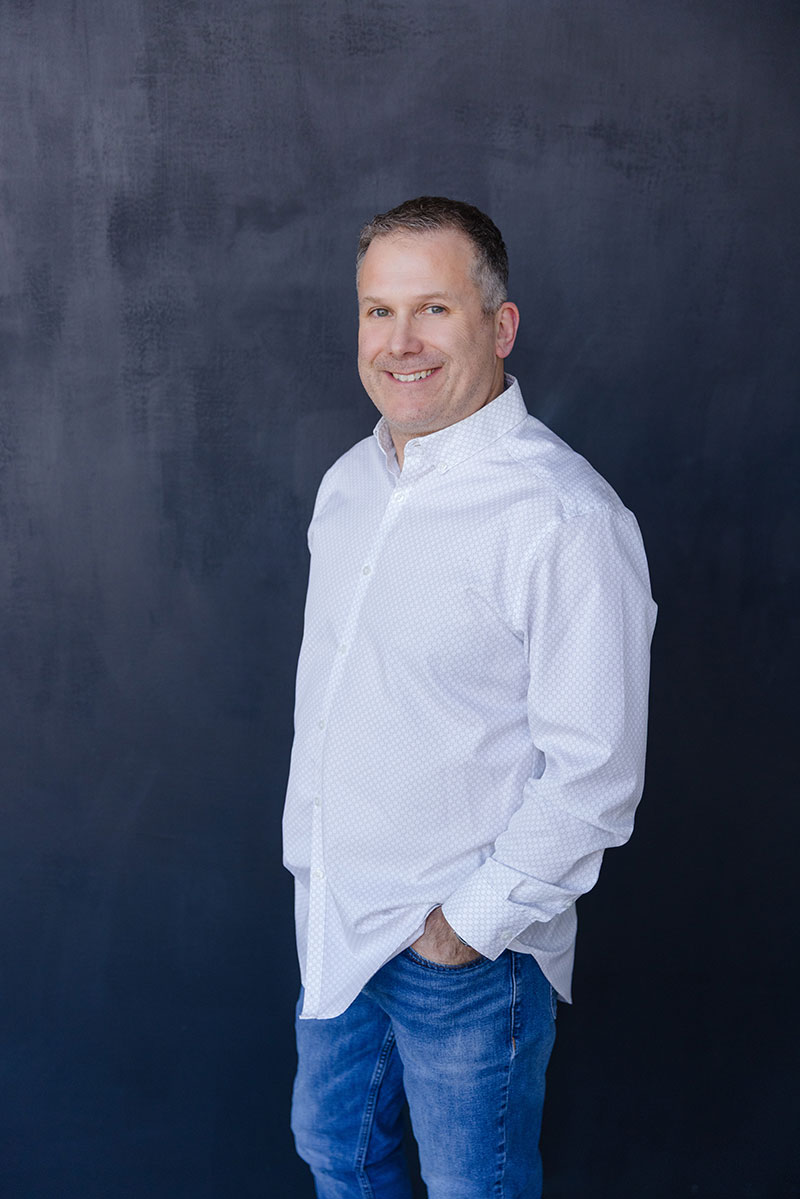
Chris Stasiuk coaches engineers and engineering managers. He’s a Professional Engineer (P.Eng.) with a Bachelor of Science in Electrical Engineering, and has spent more than 25 years in engineering consulting, working in industrial automation, controls, and power generation. Field experience spans coal plants, manufacturing facilities, mining operations, and capital projects across Western Canada. He has held roles as technical lead, project manager, business development lead, and shareholder in engineering firms.
His coaching is built for engineers, by an engineer. The frameworks are designed for technical professionals, not adapted from generic management theory. The work draws on three decades of learning, in his words, what works and what doesn’t in engineering environments where the consequences are operational.
Chris hosts the Re:Engineered podcast and writes a weekly newsletter for engineering leaders.